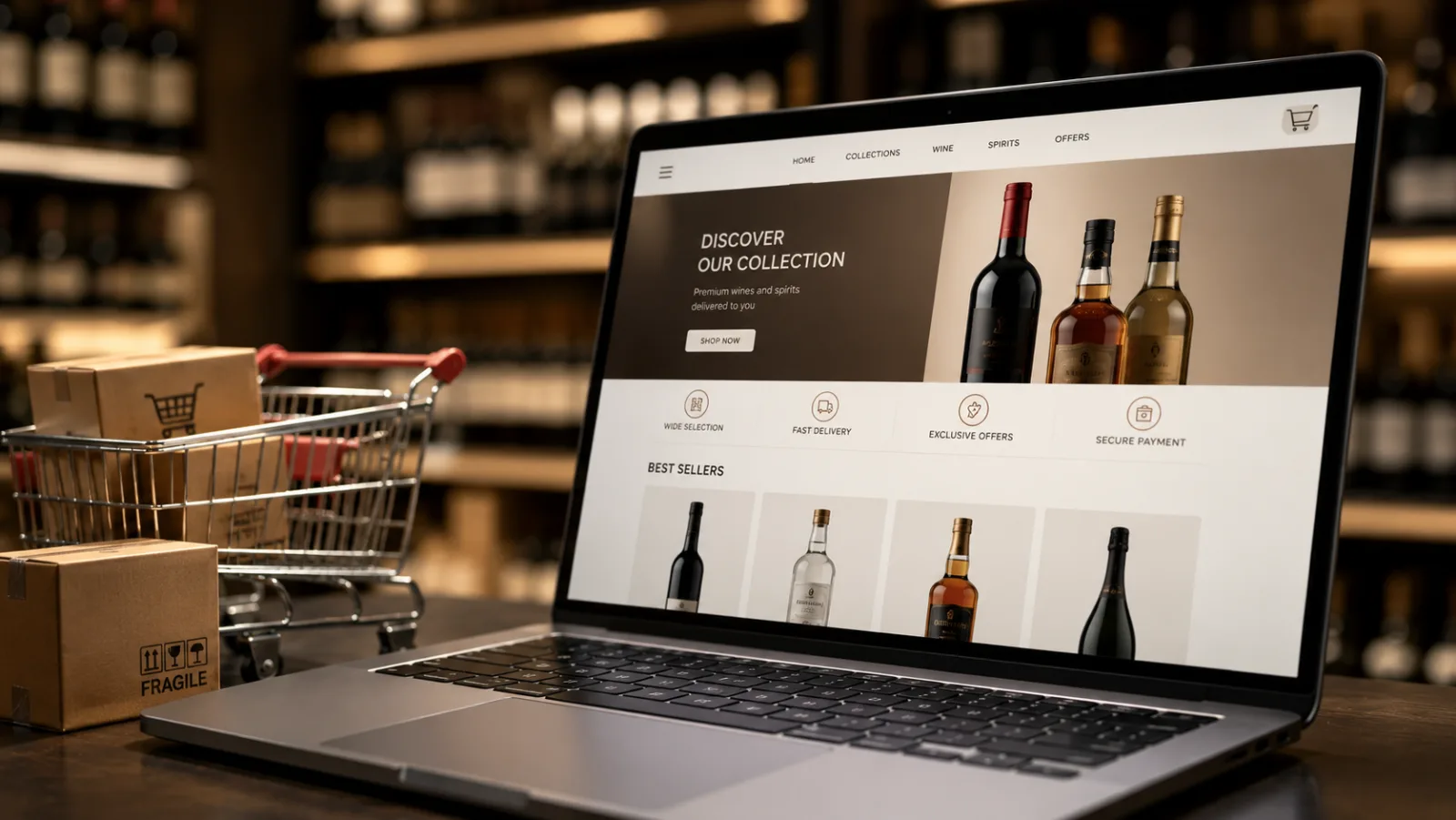
Our differentiator
Native Retail Knowledge
We don't just write code; we understand the business of retail. Our team sits at the table with you to architect strategy and solve complex data flows.
Strategic retail partnership
Retail Applications
Cut through retail complexity. We modernize your commerce, store, merchandising, and fulfillment systems with intelligent AI operations so discovery, buying, and delivery is seamless.
Our approach
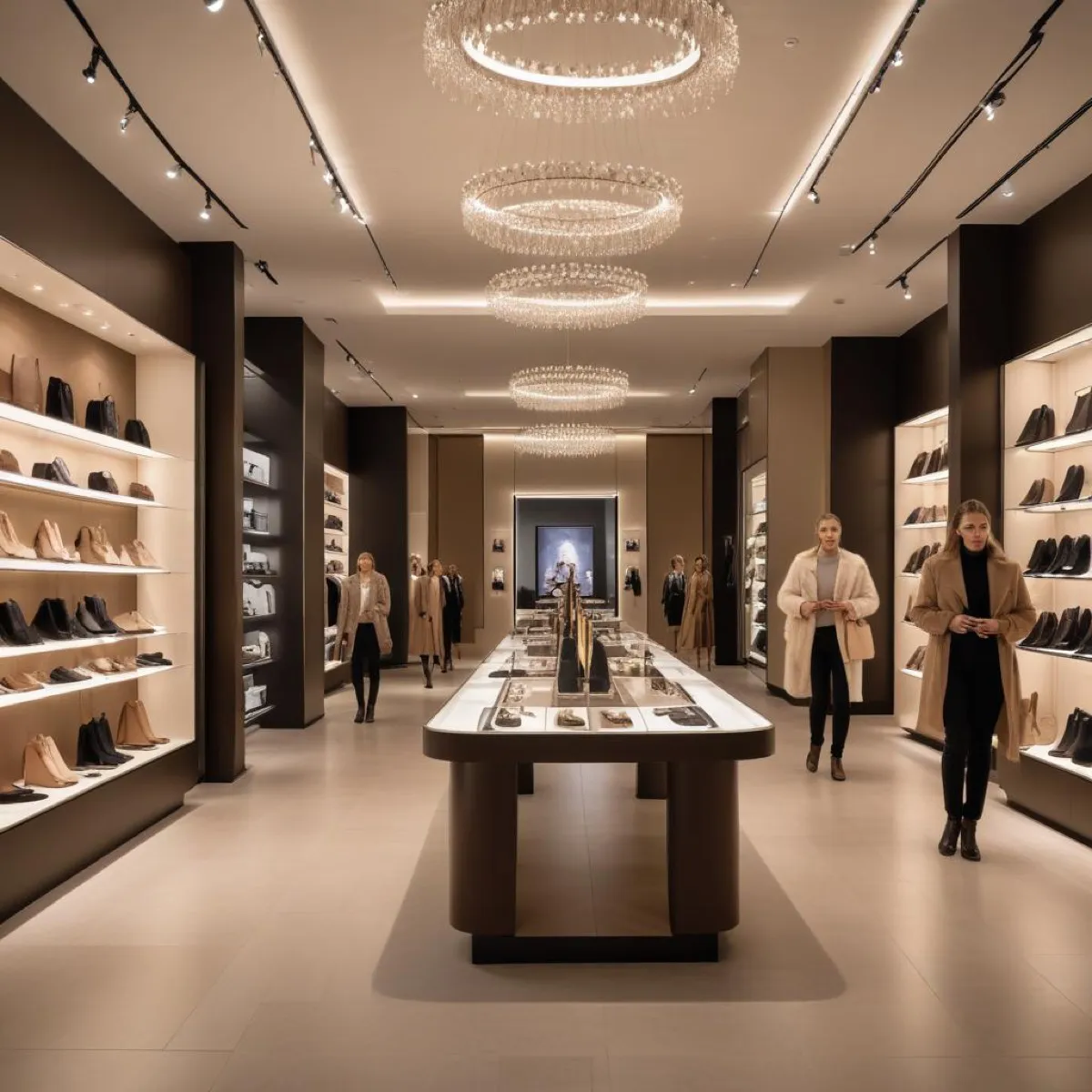
Everest addresses retail friction at the technology layer. We eliminate technical bottlenecks by modernizing brittle integrations and embedding AI directly into your commerce, order, merchandising, and store systems.
Our differentiator
We don't just write code; we understand the business of retail. Our team sits at the table with you to architect strategy and solve complex data flows.

Our differentiator
Once the strategy is set, our engineering teams seamlessly integrate into your IT culture. We adapt to your agile cadences, match your velocity, and act as a natural extension of your team.
Our approach
Everest addresses retail friction at the technology layer. We eliminate technical bottlenecks by modernizing brittle integrations and embedding AI directly into your commerce, order, merchandising, and store systems.
Our differentiator
We don't just write code; we understand the business of retail. Our team sits at the table with you to architect strategy and solve complex data flows.
Our differentiator
Once the strategy is set, our engineering teams seamlessly integrate into your IT culture. We adapt to your agile cadences, match your velocity, and act as a natural extension of your team.
Full-stack retail expertise
We architect the complex flow of data from merchandise creation, digital storefronts, through the OMS, into the ERP, and down to the POS.
ERP, Sourcing, & Merchandising
Modernize legacy core systems to ensure your foundational data is accurate, secure, and flowing freely.
Allocation & Demand Forecasting
Connect disconnected silos to build the intelligence engines your merchants and planners need.
eCommerce, OMS, & POS
Engineer complex integrations between digital architectures and store systems so the journey never breaks down.
Proven impact
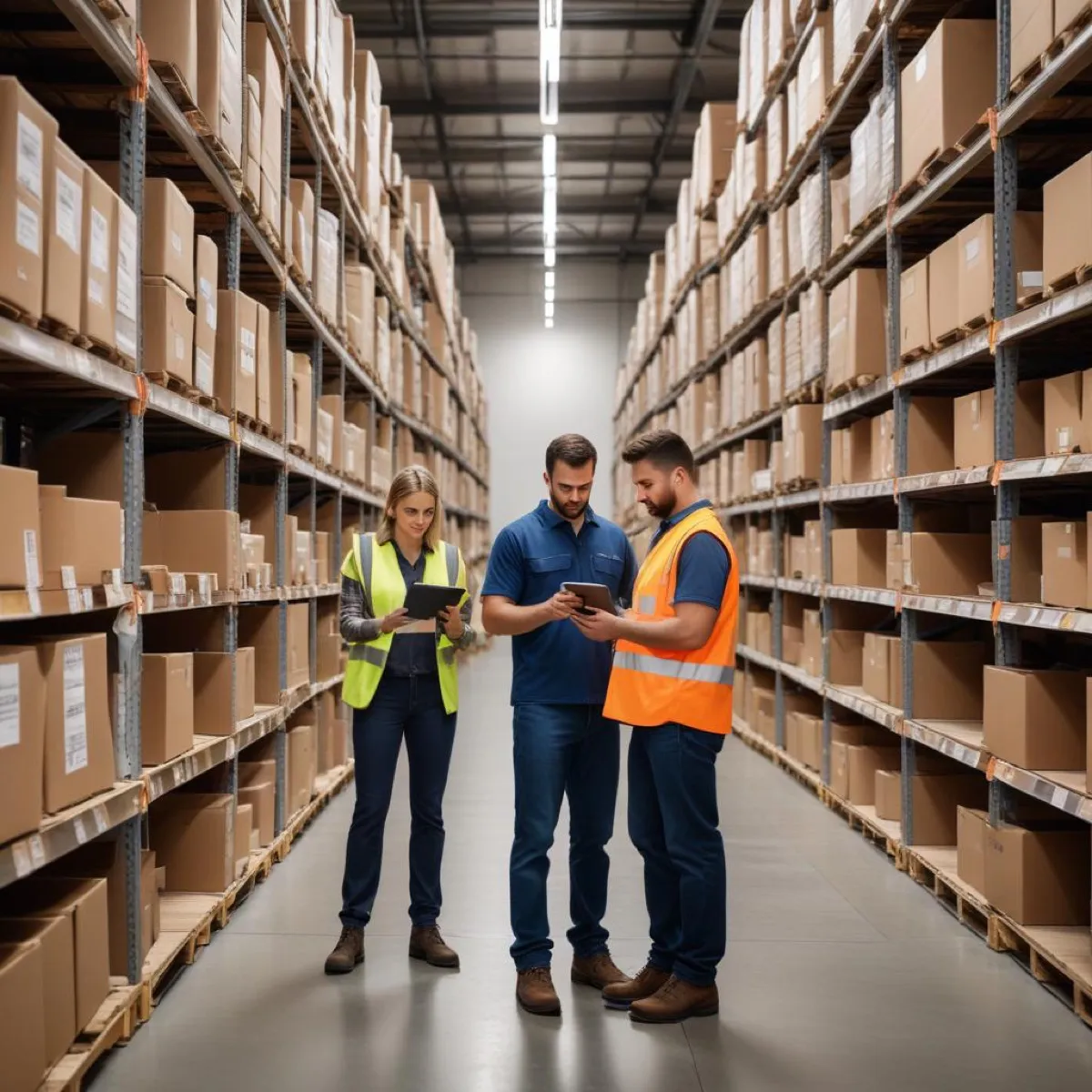
National Retailer
Modernized legacy core systems and integrated AI-driven ERP development.
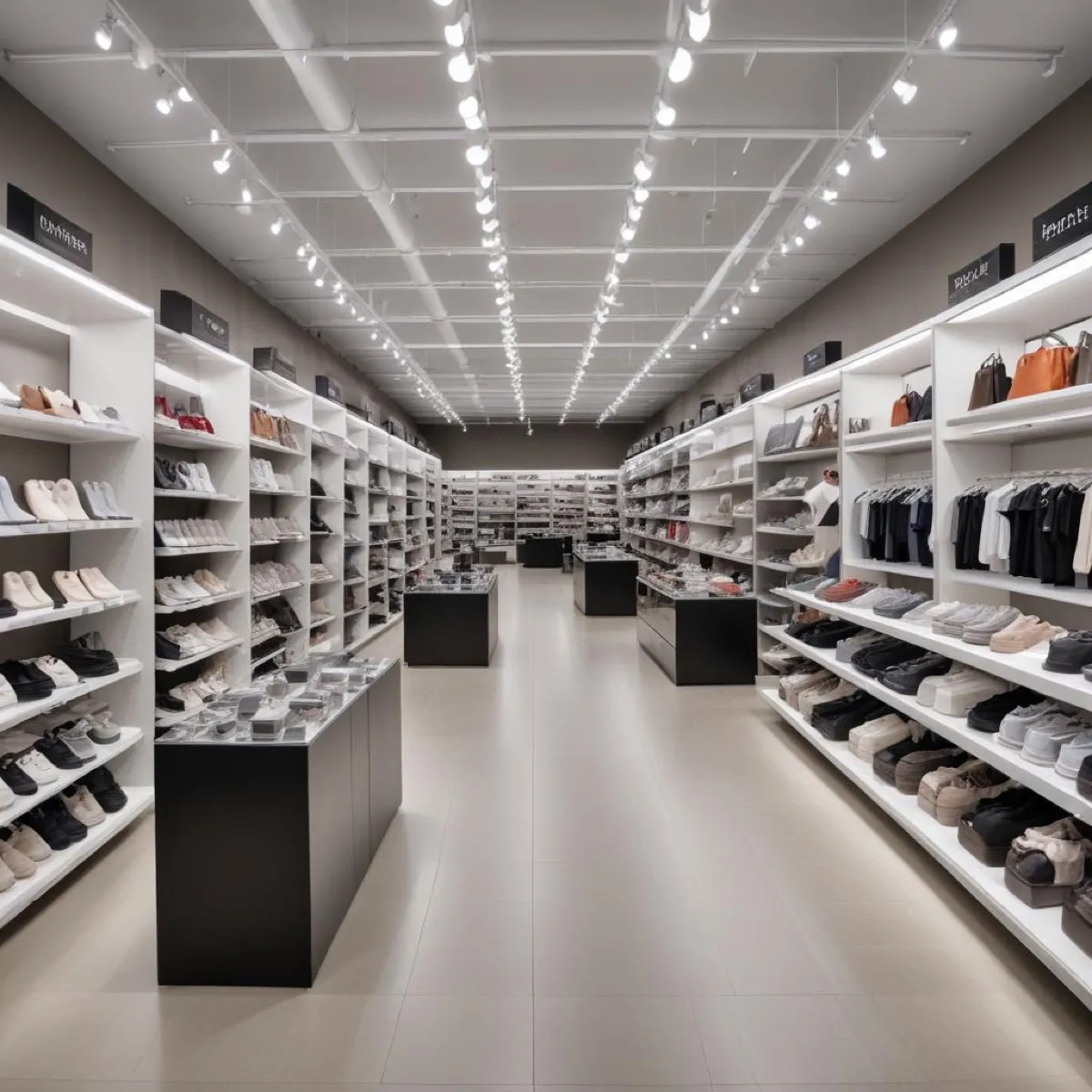
National Brand
Implemented inventory visibility changes across the ERP, OMS, and POS, resulting in inventory available to purchase and reducing markdown liability.
Unified commerce architecture
Retail applications create better customer outcomes when touchpoints, order systems, store operations, inventory logic, and analytics operate on one connected model.
Deep expertise across Manhattan Active® Omni and Point of Sale, the platforms that power modern omnichannel retail.
Talk to a Manhattan ExpertManhattan Active® implementation partner servicesEnterprise engagements with quantified business impact. Open a case for the full story, or browse every case at once.
Scope is driven by store count, how much customization sits on the current platform, and how entangled the legacy integrations are. Most retailers phase it, proving the model in pilot stores or a single region before scaling. The work that decides the outcome is aligning store operations, integrations and training early, because compressing that phase is what creates problems at scale.
We approach this through a unified commerce architecture, where systems share inventory, customer, and order data in real time. Instead of replacing everything at once, we integrate and modernize in phases. This allows you to introduce capabilities like BOPIS or ship-from-store gradually. The goal is to improve experience without operational disruption.
It requires accurate, real-time inventory visibility and a tightly integrated OMS. Store operations also need to be aligned, staff training, picking workflows, and SLA expectations. We typically start with select stores to validate processes before scaling. Technology alone is not enough, store execution is critical.
We integrate inventory updates across POS, OMS, and supply chain systems in near real time. Cycle counting, store-level processes, and validation rules are also key. During implementation, we focus heavily on reconciliation and data consistency. Most retailers achieve significant improvements when both system and process are aligned.
Yes, most retailers take a phased approach. We modernize critical components, like OMS or e-commerce, while integrating with existing systems where needed. This reduces risk and allows gradual adoption. Over time, legacy systems can be replaced without disrupting the business.
We design integrations as part of the core architecture, ensuring data flows seamlessly across systems. This includes orders, inventory, customer profiles, and promotions. APIs and middleware are typically used to keep systems synchronized. End-to-end testing ensures everything works together under real-world conditions.
Most retailers see faster checkout, better inventory visibility, and improved customer experience across channels. This often leads to higher conversion rates, reduced order delays, and more efficient store operations. The exact impact depends on how well systems and processes are aligned. Modernization is as much operational as it is technical.
We prepare systems through performance testing, load simulations, and scalability planning. This includes validating order volumes, checkout flows, and inventory updates under peak conditions. We also ensure fallback mechanisms and monitoring are in place. The goal is to handle peak demand without degradation in experience.
We use customer data, behavior patterns, and transaction history to enable personalized recommendations and experiences. This can be applied across e-commerce, marketing, and in-store interactions. We typically start with targeted use cases like product recommendations or search optimization. Over time, this can expand into broader customer engagement strategies.
Adoption is driven through training, clear workflows, and gradual rollout. We involve store teams early during pilot phases to gather feedback and refine processes. Change management is built into the implementation, not treated as an afterthought. Successful adoption is what ultimately determines the success of the system.
We can help you build connected retail experiences that feel effortless to the customer.